Is Leg Swelling Dangerous? When to See a Vascular Surgeon
Most evening leg swelling is harmless — but sudden one-sided swelling can be a life-threatening DVT. Here's how to tell the difference.
Leg swelling (oedema) is one of the most common reasons patients walk into a vascular clinic. Most cases are benign and lifestyle-related — but a few are medical emergencies. Knowing what to look for could save your leg, or your life.
Common, non-urgent causes
- End-of-day swelling from long standing or sitting — both legs equally, settles overnight.
- Chronic venous insufficiency — heaviness, varicose veins, ankle pigmentation building over years.
- Heart, kidney or liver disease — both legs swell, often with breathlessness or weight gain.
- Medications — calcium-channel blockers (amlodipine), steroids, NSAIDs, gabapentin.
- Hot weather, salt-heavy diet, pregnancy.
Red-flag swelling — see a doctor the same day
- Sudden swelling of one leg, especially with calf pain or warmth — suspected deep vein thrombosis (DVT).
- Swelling within 4 weeks of surgery, long-haul flight, plaster cast or hospital admission.
- Swelling with sudden breathlessness or chest pain — possible pulmonary embolism, call emergency services.
- A red, hot, painful leg with fever — possible cellulitis.
- Swelling with a non-healing ulcer or skin breakdown.
- Swelling in a patient with active cancer or known clotting disorder.
How a vascular surgeon evaluates leg swelling
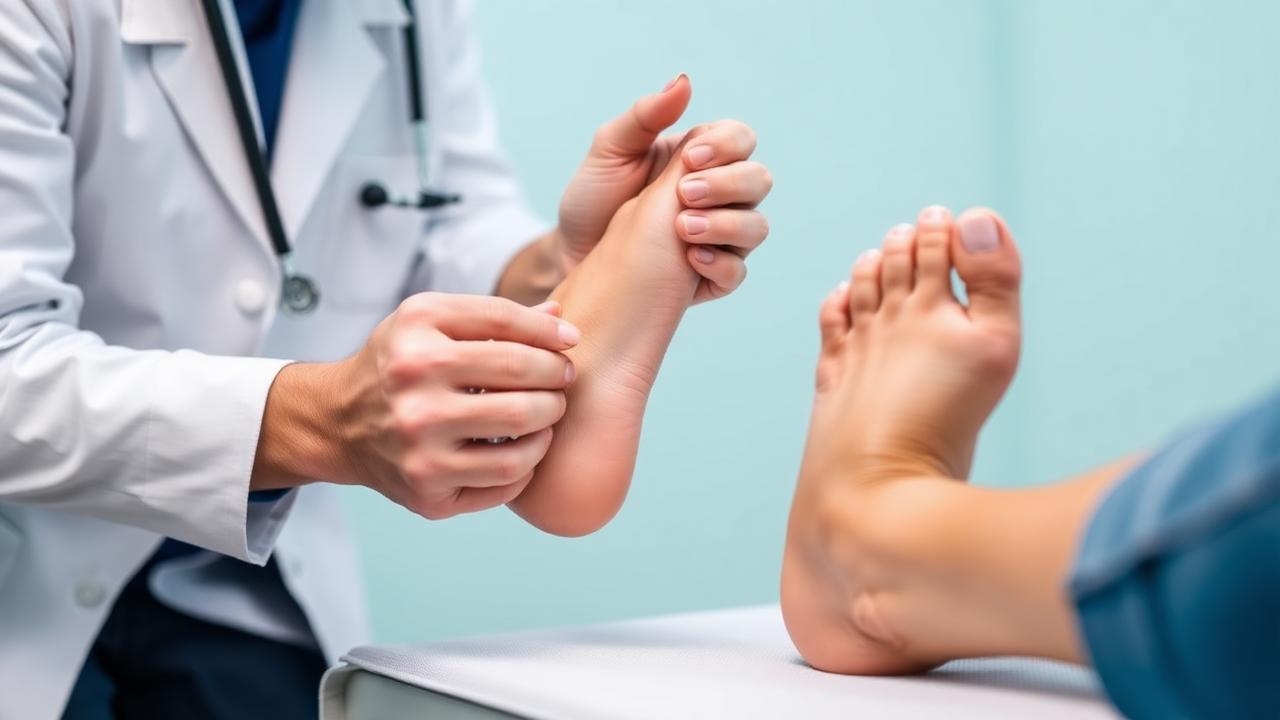
Examination, a venous duplex ultrasound (which rules out DVT and maps any reflux), basic blood tests including a D-dimer when needed, and — for chronic cases — lymphoscintigraphy if lymphedema is suspected. Most patients leave the first appointment with a clear diagnosis and a written plan.
Treatment depends on the cause
- DVT — anticoagulation, sometimes catheter-directed thrombolysis and venous stenting; lifelong follow-up of the post-thrombotic leg.
- Chronic venous insufficiency — graduated compression stockings, endovenous ablation of leaking veins.
- Lymphedema — complete decongestive therapy, custom compression garments, and in selected cases lympho-venous bypass.
- Systemic causes — joint management with the cardiologist, nephrologist or physician.
Simple steps that help most leg swelling
Elevate the legs above heart level for 15 minutes twice a day, walk for 30 minutes daily, wear well-fitted graduated compression stockings, reduce salt, and avoid prolonged standing without calf-pump exercises. If swelling is sudden, one-sided or painful — don't wait. Get a duplex scan the same day.